Basement insulation in Gardena CA - dry walls and a room you'll actually use
Cold, damp or noisy basement? We check for water first, then insulate the walls with a material that stays dry and keeps working.
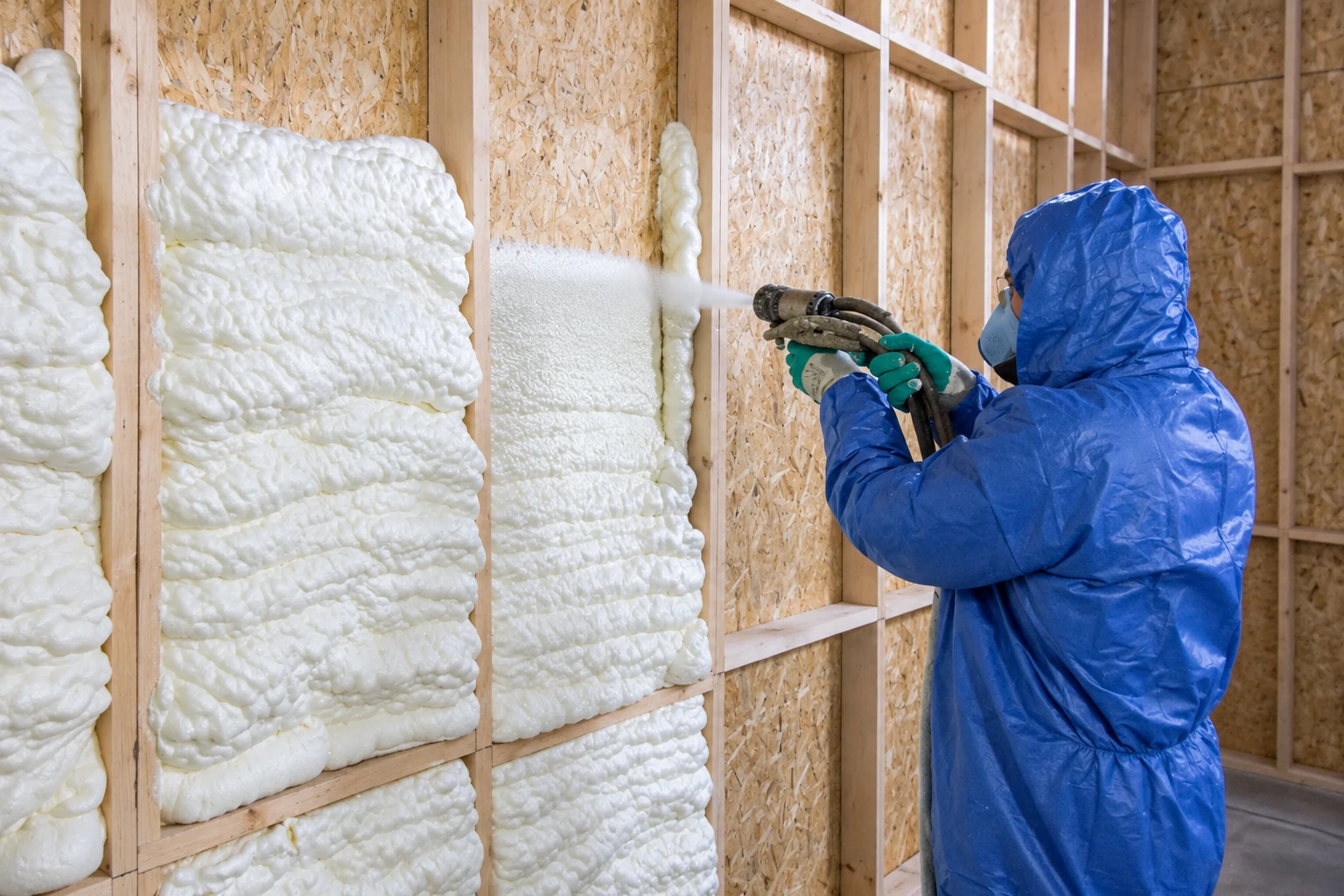
What does it take to insulate a basement in Gardena?
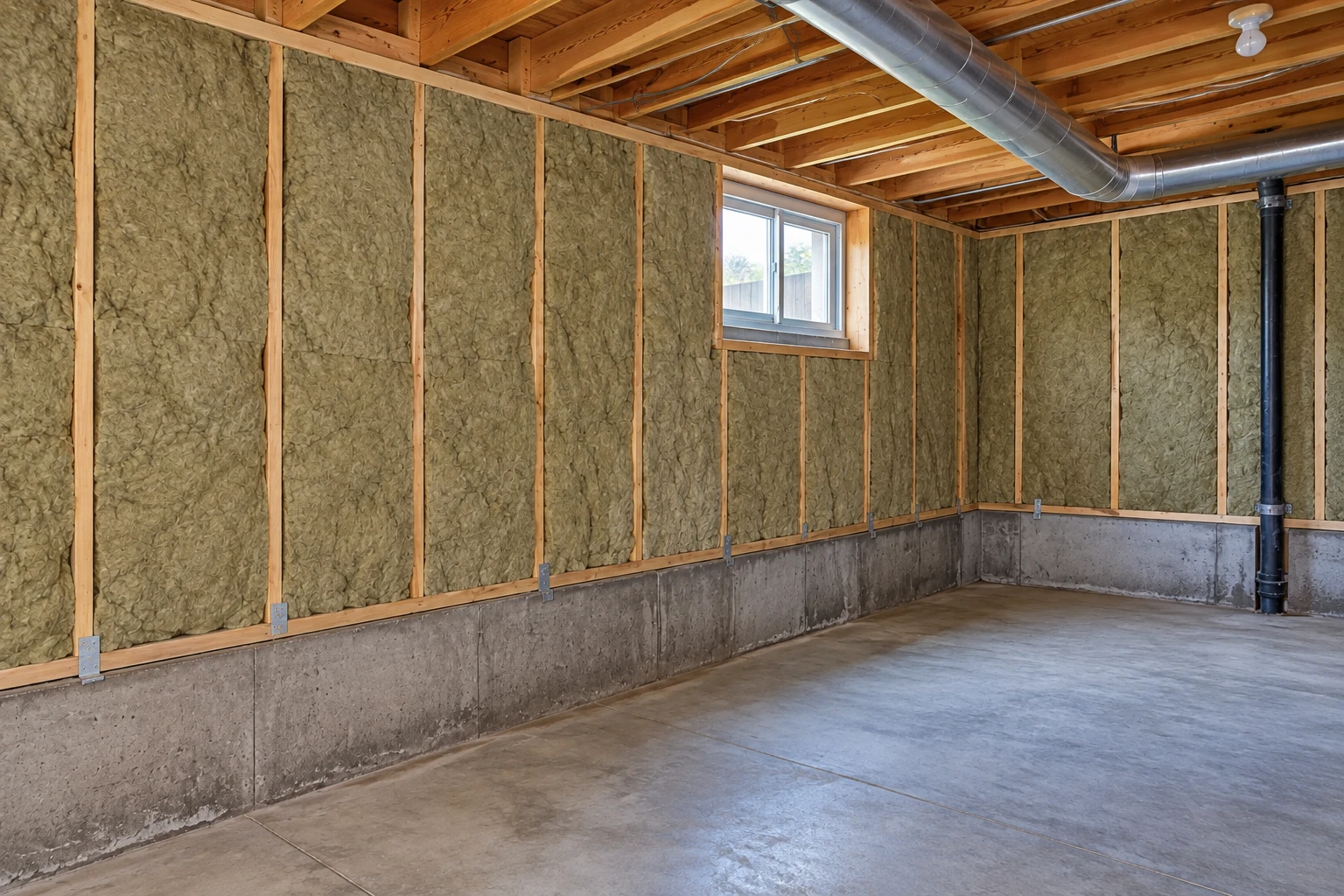
Basement insulation in Gardena means adding foam or another material to the inside or outside of your basement walls, so the room down there feels more comfortable and gets a lot quieter.
Most people call me because the basement feels cold or clammy, or because there's a room down there they'd like to use and can't. The price mostly turns on how much wall there is, which material it needs and whether old, damp material has to come out first through insulation removal. The schedule turns on whether any water needs fixing before we start and whether the city wants a permit, and my written estimate lays out the work, the order and the cost for your house.
How we handle basement insulation
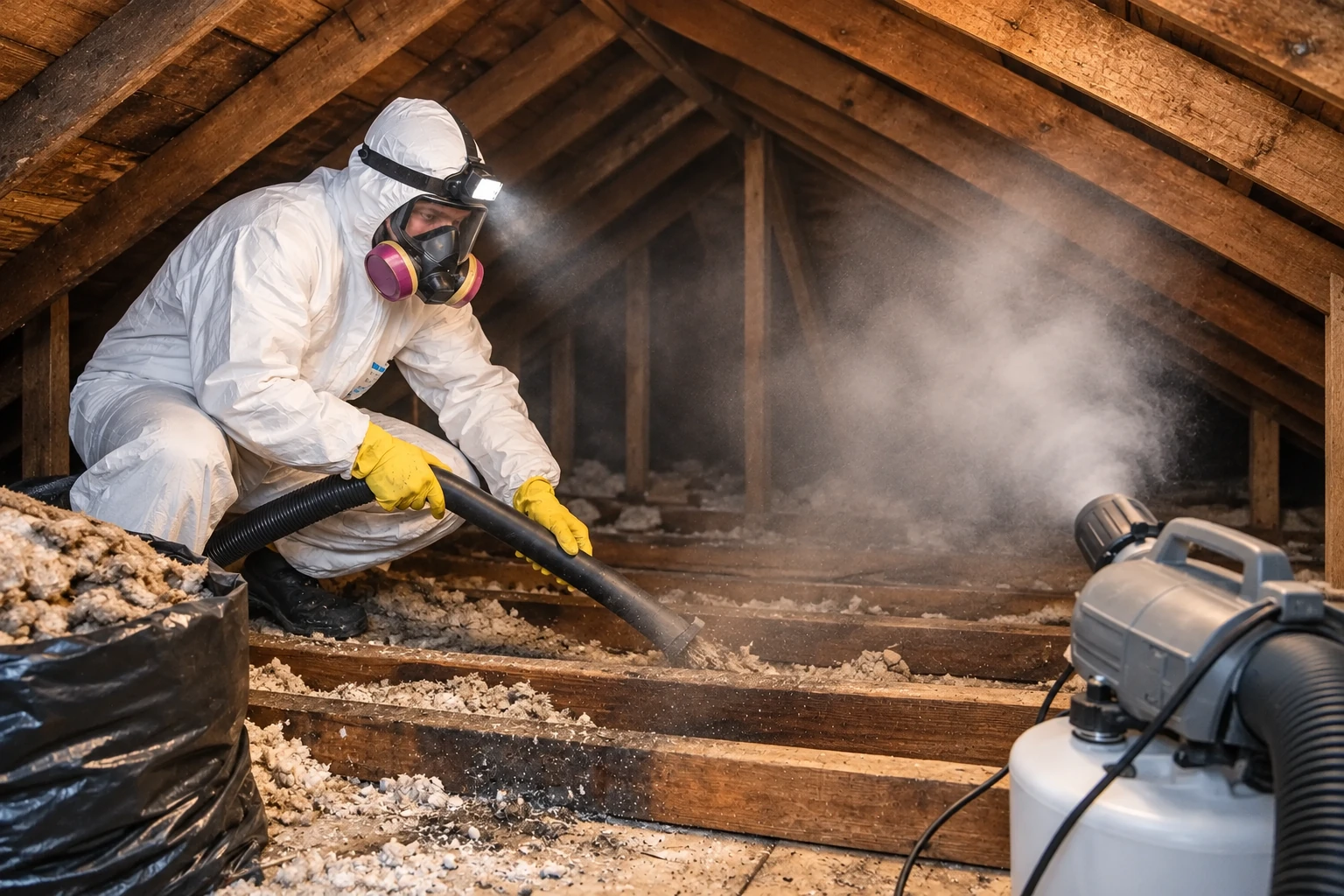
Water comes first. I look at the walls for stains, damp spots, white crust and a musty smell, and I ask when you notice it, because insulation over a wet wall just holds the water against it. If the walls are taking on moisture, I'll tell you to get that fixed before we insulate, and that's usually a call for a waterproofing or drainage contractor, not us. It's like a kitchen, where you prep before you cook. Once the walls are dry, we help you pick a material that stays dry against them, pull out anything old and soggy, close the small gaps around pipes and wires with air sealing so the insulation isn't fighting a draft, then install and clean up.
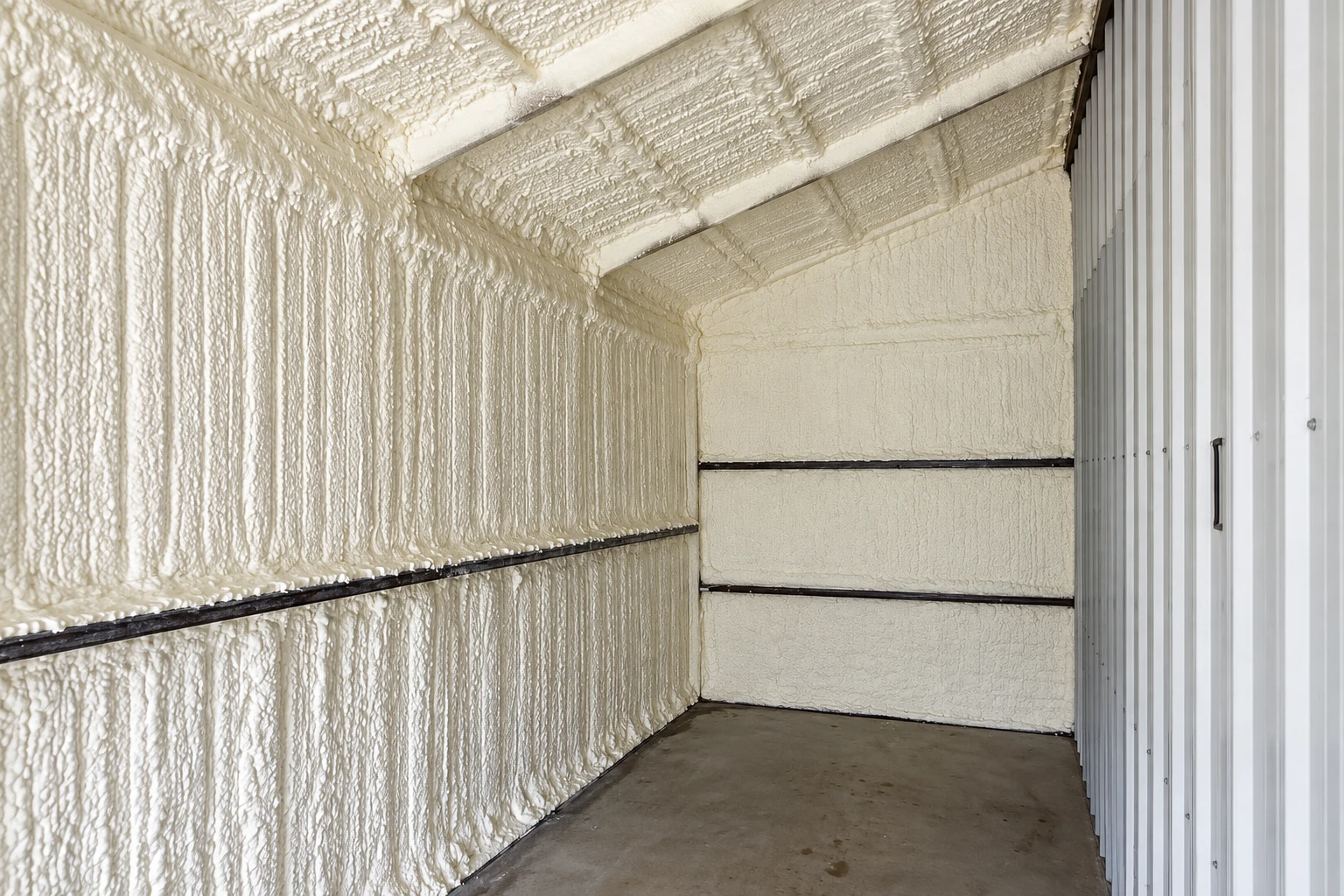
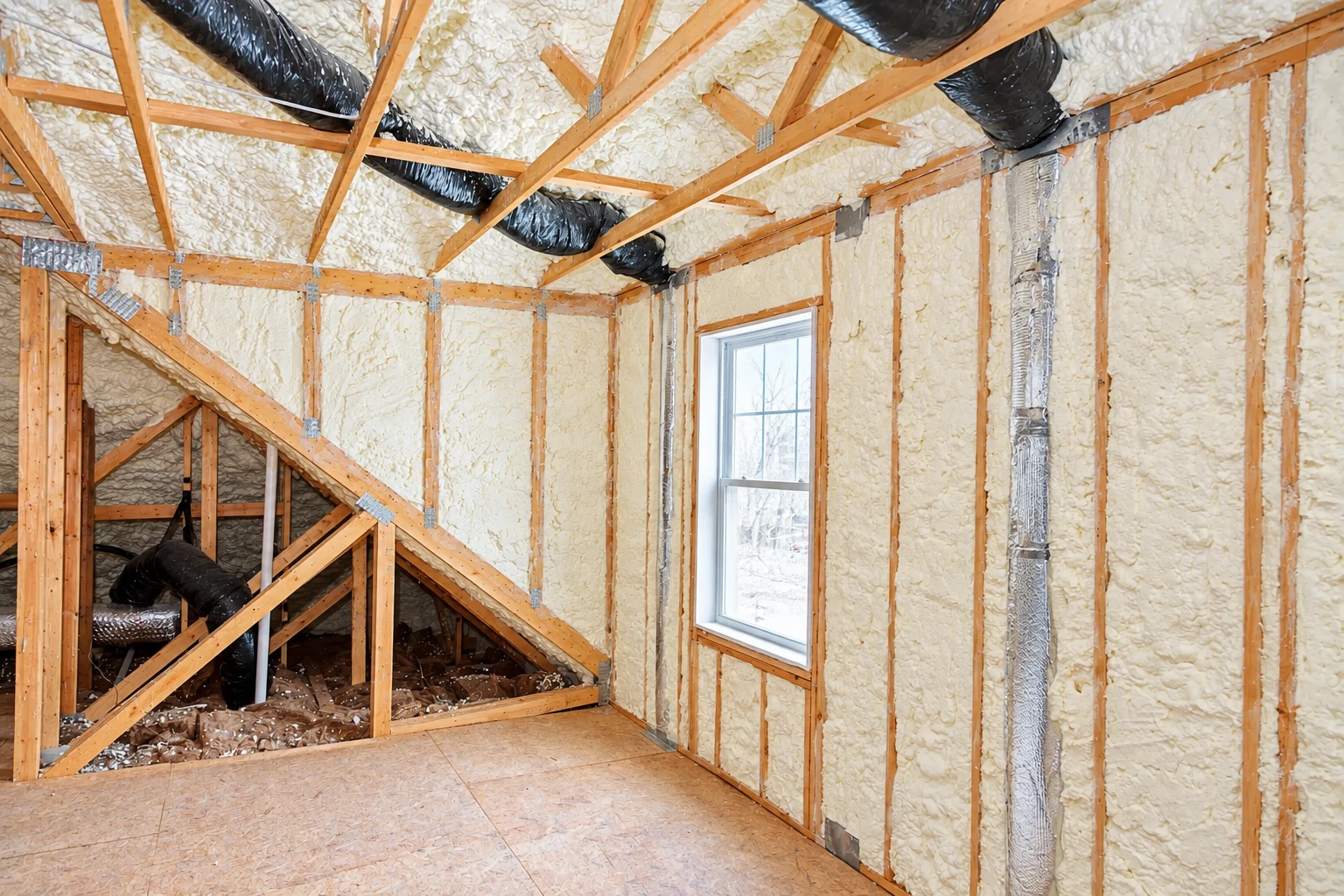
For most basement walls that comes down to one of two foams. Closed-cell foam insulation is dense foam that blocks moisture on its own, so it's usually where I start against a basement wall. Open-cell foam insulation is softer and still blocks air well, but it has to go on thicker to keep moisture from moving through, so it suits some walls better than others.
Basement insulation permits and what we see in Gardena
In Gardena, the city's Community Development Department issues permits, and the city requires an application and plans before any building-related construction or installation can start. Whether your basement job falls under that depends on what's being done, so we find out which office covers your address, the city or the County, and whether your job needs a permit, and when it does we handle the paperwork and keep you posted. The state licensing board also has a class set aside for contractors who install insulating material to control heat or sound.
Around here a basement is often a small, below-grade room in an older house or a rental, patched a few times over the years, so I look at what's already on the walls before I suggest anything. We do the same work in the cities and County areas around Gardena, including Torrance and Carson, and the first question is always the same one about water.
How a basement job goes
Call or send the form
You reach us by phone or the form, and we set up a time for me to come out. Tell us roughly what's going on downstairs so I know what to look for.
Walk the basement with me
I look at the walls with you, take photos and point out any signs of water. Then I explain the order I'd do the work in and why each step comes where it does.
Get your written estimate
You get the steps in order, the material I'd use and the cost, plus anything another trade should fix first, so there's no line on it you haven't had explained. If a permit is needed, the city's first plan review should take about 10 business days, and about 5 for a resubmittal.
Install and walk the job
If you go ahead, my lead installer runs the crew through the steps we agreed on. When it's done, they walk you through the finished walls so you can see what went in.
Get a free estimate for your basement walls
We reply within one business day to set up a visit. I come out, look at your basement walls with you and take photos, then you get a free written estimate with no obligation to go ahead.
Questions before you insulate a basement
How do I get my basement ready for insulation?
Fix any water coming through the walls first, because federal guidance says to check basement walls for water and repair it before insulating. That usually means leak repair and drainage that carries water away from the foundation, which is often a job for another trade. I'll show you what I find on the walk-through so you can plan that as step one.
What is the best way to insulate basement walls?
Use a foam that stays tight to the wall, because fiberglass or cellulose placed against a basement wall can soak up moisture and stay damp. Federal research found closed-cell spray foam controls moisture best of the inside options, and rigid foam boards also work when they're stuck fully to the wall with every edge and seam sealed tight.
How much does insulation cost in the Los Angeles area?
Insulation work in the Los Angeles area usually runs about $4,000 to $5,800 per job, for work that covers blown-in cellulose, air sealing and crawl space encapsulation. A basement is priced on its own wall area, material and prep, so the way to get your number is a free on-site estimate.
Is it better to insulate a basement before finishing it?
Yes, because adding insulation later costs more than putting in full levels at the start of construction. Insulation needs no maintenance once it's in, so doing it fully the first time is where you get the most out of it.
Does spray foam in a basement have to be covered?
Yes, spray foam has to be covered with ignition-barrier paint or gypsum board. Ask your installer which one your job gets, since it changes how the finished wall looks and what's left to do if you're finishing the room.
Should basement walls be insulated on the outside or the inside?
Outside insulation is an effective way to control moisture and save energy, but federal research advises it only where termites aren't a problem. It also has to be kept dry while it goes in, so I look at your house and talk through which side makes more sense before you decide.
Why Gardena homeowners call Professional Gardena Insulation Company for basement insulation
The owner does your estimate
I come out to look at the job and write the estimate myself, and my lead installer runs the crew that does the work. You know who priced it and who's in charge on the day.
Photos and the reasons why
We've been in business since 2013, and we're known for showing people what's going on in their house before anything goes in. You'll see photos of your walls and hear why each step comes first, because nobody should pay for a step they haven't had explained.
Licensed and insured for basements
We're licensed and insured. That matters down there, where the work sits right against your foundation walls and sometimes follows another trade's repair.
Gardena inspections set up for you
Gardena's building inspectors check work at different stages to make sure it follows the approved plans and the law. When your job has a permit, we book those visits with the city so the work isn't stalled waiting on one.
On a basement, the order of the work is what keeps the walls dry, so contact us and I'll come look at yours with you.
Related insulation services
Closed-cell foam insulation
If your basement walls tend to run damp, a dense foam that holds out moisture is usually the safer pick.
Open-cell foam insulation
When the walls are already dry and you mostly want a quieter, less drafty room, a softer foam put on thick can do the job.
Book a look at your basement walls
Jot down where you've seen water and roughly how big the walls are before you call (424) 292-2987 or send the form, so the visit starts with what matters.